

How We Teach Preschoolers to Manage Big Feelings in our Classroom
In a room full of music, movement, and growing little minds, emotions are part of the learning too. Young children are still discovering how to understand their feelings, name them, and work through them. Sometimes excitement, frustration, or overwhelm can feel very big in a small body.
At Tuneful Journey, we intentionally teach preschoolers how to manage big feelings. We weave these simple, supportive skills into our music and movement classes because emotional development is an important part of the whole child.

Why Big Feelings are Hard to Manage for Preschoolers
Research in early childhood development tells us that strong emotions can temporarily interrupt a child’s ability to think clearly and learn. When a child becomes overwhelmed, the thinking part of the brain (the prefrontal cortex) can momentarily “go offline.” Enter: a tantrum.
In those moments, children cannot focus on listening, problem-solving, or participating because their brain is focused on managing those big feelings. Before learning can happen again, children first need to calm their bodies and emotions - and they need opportunities to learn and practice how to do that.
What This Looks Like in Our Classroom
In our Level 3 and Level 4 classes, and soon in our Little Steps preschool prep program, we don’t wait for big feelings to show up. We practice emotional skills together during every class.
One of the ways we do this is through a special classroom routine called the Strong Feeling Friend.
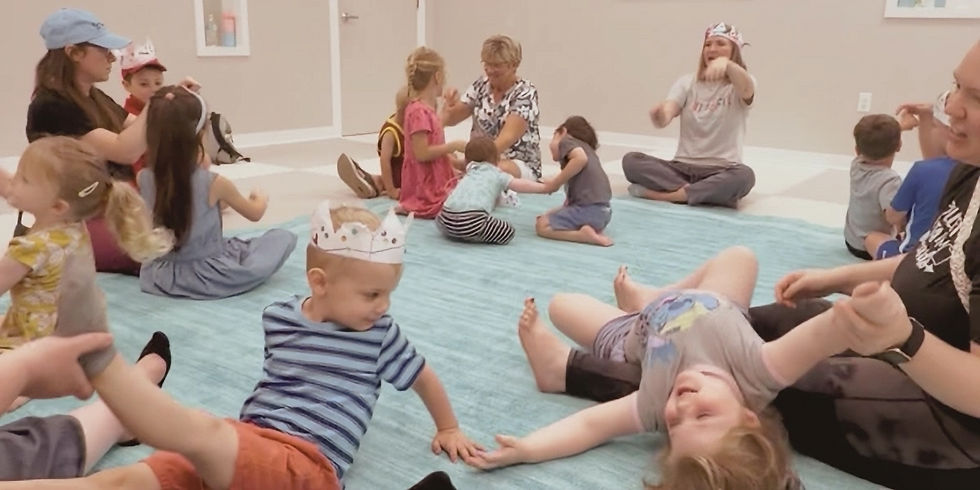
Each class, one child wears the Strong Feeling Friend crown (if they’d like) and takes on a leadership role. During our practice time, that child:
Chooses an emotion for the group to talk about and mimic
Helps lead a simple breathing exercise
Joins in as we sing our song to help calm our bodies and minds
Selects a calming tool to use - like building blocks, drawing, or looking at a book
This isn’t just a fun moment, it’s intentional practice. Children learn what different emotions look like, how their bodies may feel, and what they can do to help themselves feel calm and ready again.
And if you see your child wearing the crown when you come in at the end of class, you can know they were helping lead the class in this important work.
We have seen this learning carry over beyond our practice time. If a child needs a little time to spend during class at the calming corner, we support them, and they rejoin on their own when ready. After class, when big feelings show up in the lobby, we’re often able to gently remind children of these same tools and walk them through the routine. You might even notice your own child taking a deep breath, singing our class song, or responding more quickly than you’d expect in those moments.
Why We Practice When Children Are Calm
You’ll notice that we practice these skills during calm, connected moments - not just when a child is upset.
That’s because children are much more likely to use emotional strategies successfully when they’ve already practiced them. When big feelings do arise, the tools feel familiar and comforting, not new.
Over time, this builds confidence and independence as children begin to recognize their emotions and choose strategies that help.
Where the Calm Corner Fits In
At our studio, our calm corners are located in both the small classroom and the hallway. In the small classroom, we use this space for our Strong Feeling Friend routine (as mentioned above), so these tools feel familiar when children need them.
The calm corner in our hallway is designed to give families simple, supportive tools to help reset emotions with our younger learners (toddlers). Grownups play an active role - guiding, modeling, and supporting their child through the process in the moment. With your guidance, children can:
Explore emotion visuals to identify how they’re feeling
Practice kid-friendly breathing techniques
Use calming tools that help their bodies slow down and settle
The goal isn’t punishment, it’s an opportunity to practice healthy ways of managing emotions. Once their bodies feel ready, they can get back to the activities and continue learning, playing, and connecting with others.
By practicing this over time, we can support children’s ability to recognize their feelings and respond in a calm, confident way.
How You Can Support This at Home
Families may find that creating a small calm corner at home for kids can be helpful for supporting emotional regulation and learning how to manage big feelings. This doesn’t need to be anything elaborate, just a comfortable spot with a soft pillow, a few emotion pictures, and a couple of simple calming tools.
An additional tip: let your child help you build it! When children are included in setting up their calm space, they often feel a sense of ownership and may be even more willing to use it when strong emotions arise.
Remember to introduce the space when your child is calm and begin by practicing naming emotions and using simple calming strategies together. Things like deep breathing, using a mirror to see their emotions in their facial expressions, or squeezing a soft toy can be great tools. Just like in our classroom, the goal is not punishment, but practice.
Your calm corner can even travel with you! Bring their favorite squishy toy along in your diaper bag and chat with your child about how to use it if needed. We all know big emotions happen anywhere!
All Feelings Are Welcome
Helping children recognize and manage their feelings is an important life skill that grows over time. By giving them language, strategies, and a safe space to practice, we are building emotional resilience alongside musical confidence.
At Tuneful Journey, we want every child to know that all feelings are welcome and accepted.
Want your child to learn how to handle big feelings with us?
We’re happy to help you explore next steps and find what feels like the right fit for your family.

Tuneful Journey, Owner & Educator
(515) 451-7787